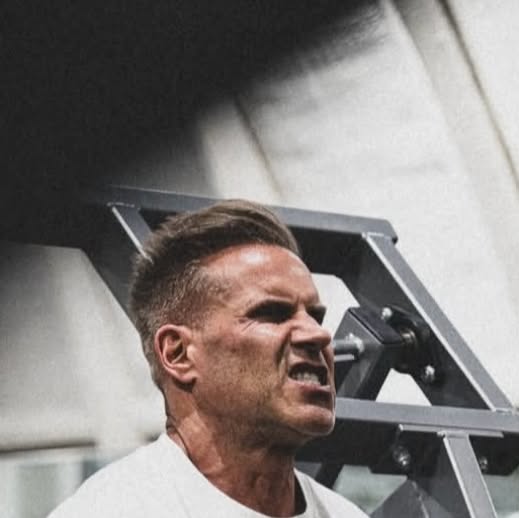
Foreword: In a JayCutler TV video published on 11 November 2026, Cutler explained that he habitually trains triceps before biceps because it helps him feel a biceps pump immediately. He suggested lifters try the sequence. That is a specific personal observation; the testable leap is whether everyone should place triceps first for better arm development.
Which version of the claim are you judging?
“This sequence gives Jay a better pump”
That is his reported experience. Research cannot invalidate the sensation he describes, but a pump is not a direct measure of long-term muscle growth.
“Try triceps first if biceps are hard to feel”
This is a low-risk experiment for a healthy lifter. Keep total work and technique comparable, then judge performance and comfort across several sessions.
“Everyone should always train triceps before biceps”
The evidence does not support that universal rule. Exercise order should follow the lifter’s priority and the quality of work they can sustain.
The verdict
Cutler’s method is plausible for Cutler and worth testing when it improves readiness or mind-muscle feedback. Exercise-order research supports prioritising the movement or muscle that matters most by placing it early. It does not show that triceps-first training automatically increases biceps hypertrophy.
What Cutler actually said
Cutler did not present a controlled trial. He described a repeatable experience from his arm sessions: rope pressdowns warmed his elbows, triceps work preceded biceps, and his first biceps set then produced an immediate pump. His recommendation was experiential—try the sequence and see what happens—rather than a quantified promise of additional growth.
The distinction protects a useful coaching idea from an inflated headline. A lifter who feels better and performs well after triceps work may keep the sequence. Someone whose biceps are the priority may reasonably put curls first, especially if later biceps performance falls.
View the original @jaycutler Instagram post
What exercise-order research establishes
A systematic review and meta-analysis of eleven resistance-training studies found that strength gains tend to favour exercises performed earlier in the session. That is a specificity result: people are less fatigued and can usually direct more load and effort toward the first exercise. If biceps strength or curl performance is the main goal, putting biceps work first is therefore the more direct evidence-led default.
For hypertrophy, the same review did not establish a consistent advantage for one order. A six-week trial in 36 young men compared multi-joint-first training with the reverse order and reported similar increases in biceps thickness. The study did not compare triceps-first with biceps-first arm sessions and was too short and narrow to settle every programming question, but it weakens the claim that one universal sequence is necessary for growth.
A broader umbrella review reached the same practical position: exercise order affects strength outcomes more clearly than muscle growth, and exercises should be ordered around the priority of the programme. The 2026 ACSM overview likewise emphasises progressive resistance training, sufficient volume and goal-specific loading rather than one mandatory arm sequence.
The pump is feedback, not a verdict
A pump reflects acute fluid shifts and local metabolic effects during training. It can help a lifter feel the target muscle and make a session satisfying, but it does not prove that a sequence produced more long-term hypertrophy. Chasing the pump can also disguise declining repetitions, load or technique.
The right question is whether the order improves the work that matters. Track repetitions, load, proximity to failure, discomfort and execution. If triceps-first produces a better biceps sensation without reducing biceps performance, it may be a useful personal arrangement. If biceps performance deteriorates, place biceps first or separate the muscles.
A practical two-week test
Keep the same arm exercises, working sets and approximate effort for four comparable sessions. In two sessions, train triceps first; in two, train biceps first. Record the first working set for each muscle, total successful repetitions, elbow comfort and a simple one-to-five target-muscle rating. Do not add extra sets to the sequence you prefer.
Choose the order that preserves high-quality work for your priority muscle. This is not a clinical experiment and will not measure hypertrophy in two weeks; it is a structured way to replace folklore with your own repeatable performance data.
What would change the score?
The score would rise if controlled, adequately powered trials directly compared triceps-first and biceps-first programmes while equating weekly volume and measuring both muscle groups over a meaningful period. It would fall if the original statement were reframed as a guaranteed growth advantage rather than Cutler’s personal pump strategy.
Evidence register
- JayCutler TV: Why Jay Cutler Trained Triceps First — original video dated 11 November 2026.
- FitnessVolt report used to locate and date the statement — 12 November 2026.
- Systematic review and meta-analysis of exercise order, strength and hypertrophy.
- Six-week trial of exercise order and hypertrophy in young men.
- Umbrella review of resistance-training prescription variables.
- 2026 ACSM resistance-training position stand.